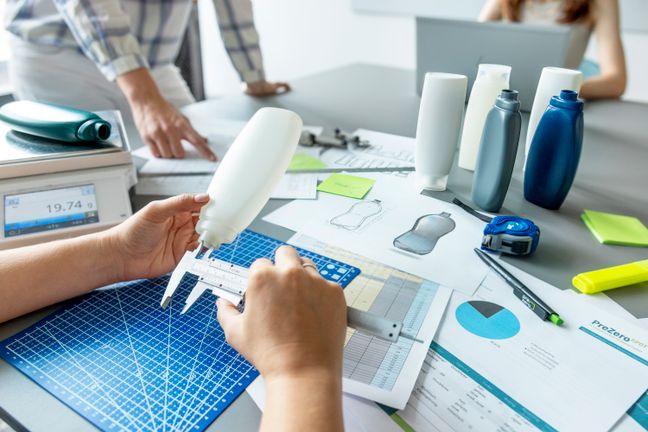
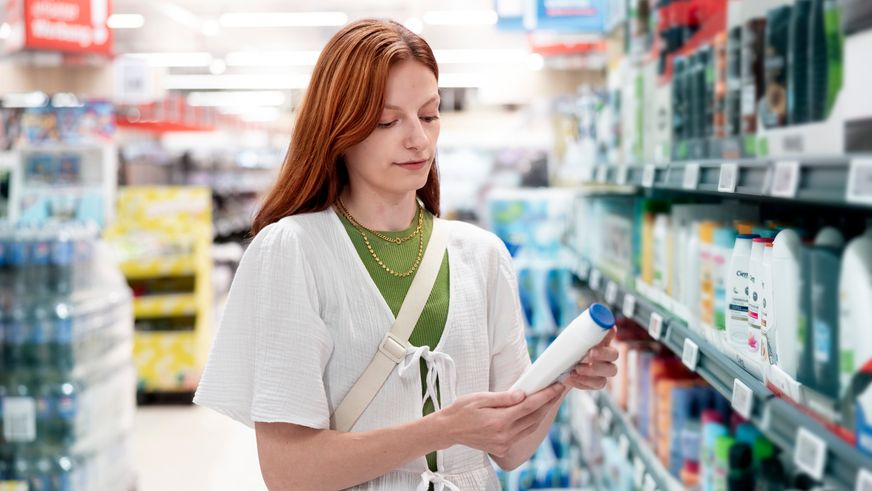
Plastic from household recycling is turned into new shampoo bottles: through innovative recycling processes and the targeted use of recycled materials, we are making our private label packaging increasingly circular—reducing waste and conserving resources in everyday life.
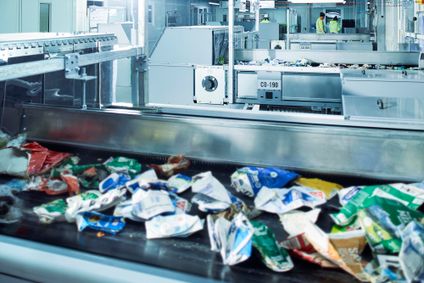
Disposed of in household recycling, then colour-sorted, washed, shredded—and finally processed into new bottles that end up on Lidl shelves. Whether for shower gels, shampoos or cleaning products, an increasing share of our private label packaging contains recycled material. For these so-called rinse-off products, we are increasingly using recycled high-density polyethylene (HDPE) sourced from household waste. In a multi-stage process, the used plastic is processed into high-quality recyclate at the PreZero recycling facility—the Schwarz Group’s circular economy division—ready to be used in new packaging.
Such closed loops are a key element of our packaging strategy—and a concrete contribution to the Schwarz Group’s overarching circular economy strategy REset Resources, which focuses on conserving resources and advancing circularity. We have the greatest influence over packaging design in our private label products. This is where we focus our efforts, with the goal of making packaging both recyclable and made from recycled materials. In 2024, we increased the share of recycled content in our private label plastic packaging to 19%.
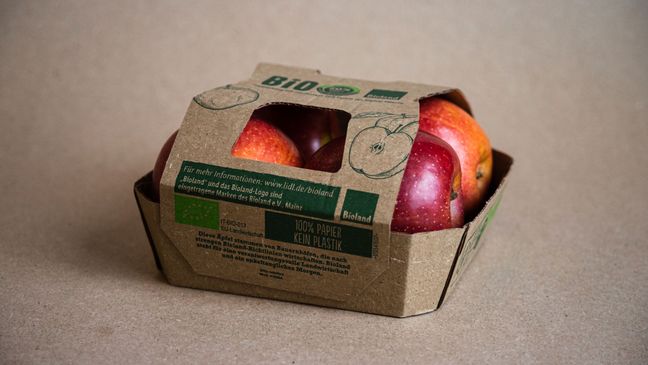
For paper and cardboard packaging, we also prioritise recycled materials. Where virgin fibre is required—for example, for hygiene protection—we use only FSC- or PEFC-certified raw materials.
"Packaging is not waste to us—it is a resource for tomorrow. That is why we design our private label packaging to remain within the cycle, with increasing shares of recycled content and concrete solutions for recycling and take-back systems."
Recycling in the food sector is particularly challenging. So far, there are only limited options for using recycled materials in this area. Lidl has successfully addressed this challenge in a pilot project for yoghurt cups: together with PreZero—the Schwarz Group’s circular economy division—as well as Ineos and supplier TMA, we have established a closed loop for polystyrene—from packaging disposed of in household recycling back to a new yoghurt cup.
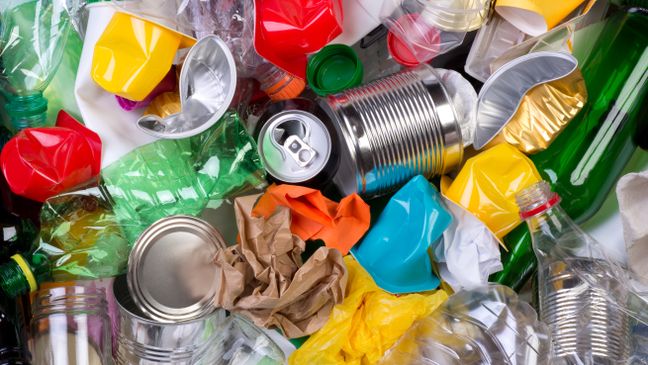
However, circularity does not end with material selection. Effective return systems are equally essential. As part of Schwarz Group, we support the development of deposit return systems in all European countries that do not yet have active schemes. Lidl is already piloting the return of single-use PET bottles and beverage cans via reverse vending machines in selected stores in countries where no legal requirements currently exist.
Our goal: not to see packaging as waste, but as a valuable resource within a circular system. Together with our partners, we are driving innovation—for less waste, more recycled content and future-ready packaging solutions.