Lorem Ipsum
  • INT
Lidl StoryConserving resources

With every package, a step forward

Two grams less plastic per yoghurt cup—a small change, but with a significant impact on the climate. This example shows that even the smallest improvements matter, especially for products sold in the millions. We spoke with Michael Janzer, Head of Ecology at Lidl International, about how we are optimising packaging to be more climate-friendly.

Why does Lidl invest so much effort in optimising packaging?

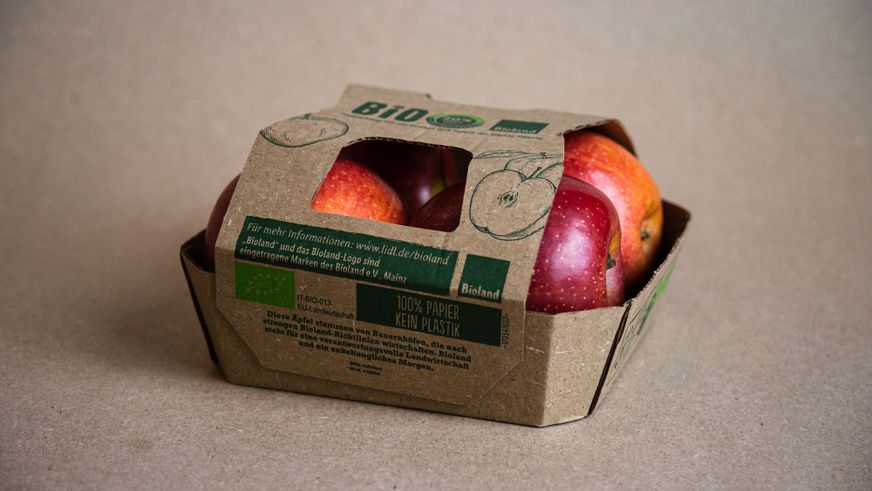
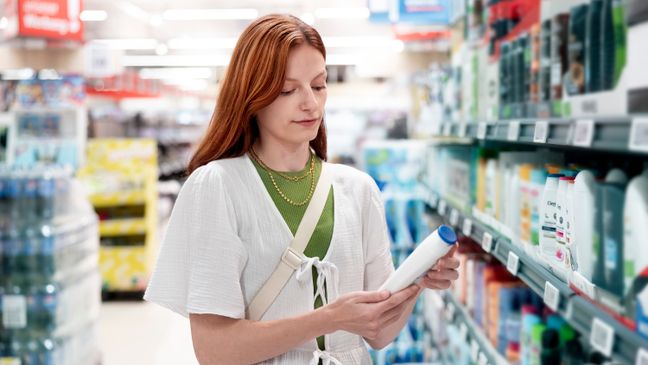
Because packaging is much more than just a wrapper. It protects the product, carries important information, and creates the first impression for our customers. At the same time, it has an impact on the climate and on resources. That is why we examine every package closely: where can we reduce material? Where can we use recycled content? And how can we make recycling even easier? For us, packaging is a key lever to combine sustainability with everyday practicality.

Lorem Ipsum
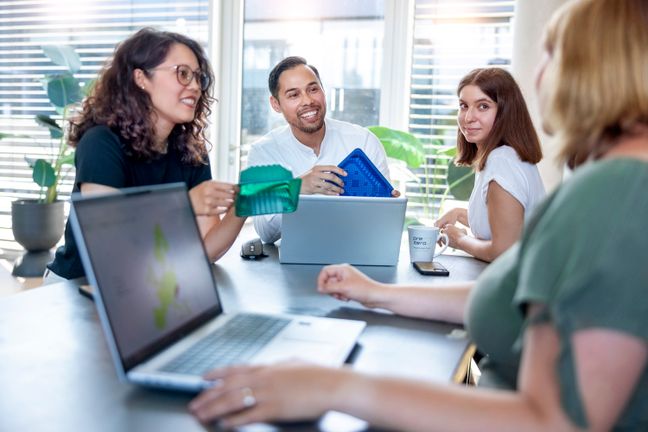
Working closely together, our experts are constantly developing innovative solutions for a resource-conserving circular economy.
Lorem Ipsum
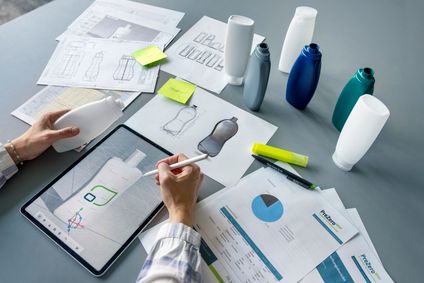
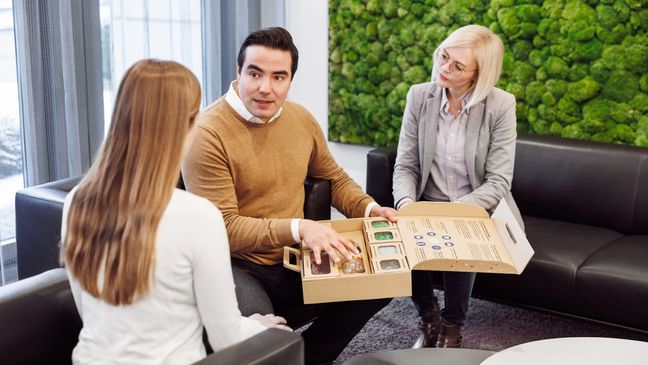
From the initial sketch to the finished design, we optimize every packaging for maximum recyclability in everyday life.

How does a packaging optimisation process work?

It is a true team effort. We start with an analysis: where is the greatest potential? Then we bring together the right people: product managers from procurement, our sustainability experts, the design team, logistics and, of course, our suppliers. Everyone contributes their perspective. Together, we develop solutions that ultimately work for everyone: our customers, the environment and, naturally, the product itself.

"We have achieved our ambitious targets: by 2025, we reduced the use of virgin plastic in our private label packaging by ten percent and now use 30 percent less plastic overall. At the same time, we are continuously increasing the share of recycled material—for example, through minimum quotas for recycled content in our PET bottles."

Michael Janzer
Head of Ecology at Lidl International

Where do you see the biggest challenges?

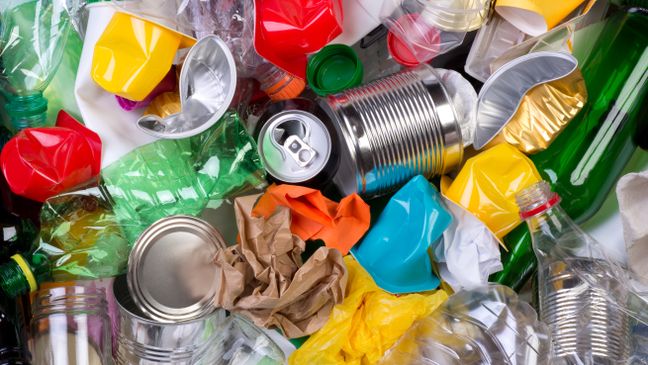
Above all, packaging must do one thing: protect the product. At the same time, it should use as little material as possible, be easy to recycle and meet all legal requirements—across more than 30 countries. This often requires suppliers to adapt production processes or even retool machinery. That cannot happen overnight. But we are convinced that if everyone pulls together, significant progress is possible. We have achieved our ambitious targets: by 2025, we reduced the use of virgin plastic in our private label packaging by ten percent and now use 30 percent less plastic overall. At the same time, we are continuously increasing the share of recycled material—for example, through minimum quotas for recycled content in our PET bottles.

Is there a particularly noteworthy project?

One of my favourite examples is the 1-kilogram yoghurt bucket from our private label brand Milbona. Together with our supplier Naabtaler Milchwerke, we optimised the packaging in 2023—saving around 500 tonnes of plastic per year. We are currently also working with Naabtaler on using 3.8% recycled polystyrene in our natural yoghurt. The tests have already been completed.

Questions? We’re happy to help!