Lorem Ipsum
  • INT
Lidl StoryPromoting health

Promoting health – especially for our youngest customers

A trip to the supermarket can quickly become a test of patience. Anyone shopping with children knows the discussions in front of shelves filled with sweet temptations all too well. Lidl helps take the pressure off – with an approach to marketing aimed at children that supports parents in making more conscious and healthier choices.

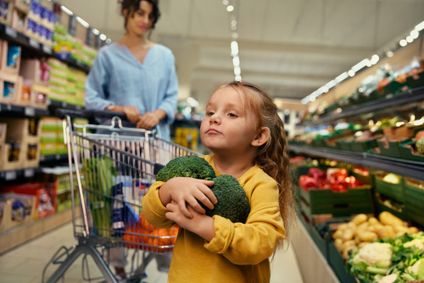
The shopping is almost done. You’re already on your way to the checkout when your child suddenly stops in front of a shelf filled with brightly coloured packaging and sugary promises. “Please, Mum, just that one! Or at least the one with the dragon!” The child looks up expectantly, the parent hesitates. A familiar situation with a mix of persistence, negotiation and the desire to make a child happy – while also wanting to make the right choice.

Lorem ipsum
Discovering fresh food through play – this is how we help families make healthy choices easily.
Lorem ipsum
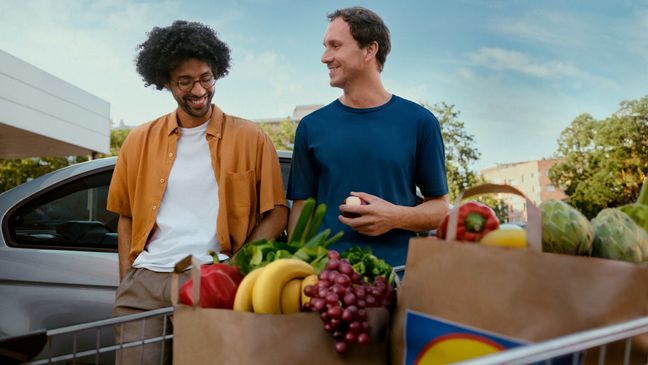
With mindful marketing to children, we support parents in filling the shopping basket in a healthy and colorful way.

Many parents are familiar with this balancing act in the supermarket. After all, marketing often targets children directly – long before they even reach the shelves. Even before shopping begins, eye-catching and playful advertisements for products that do not necessarily support a healthy and balanced diet appear in leaflets or on social media. At home, the shopping list is written; in the supermarket, the discussions begin.

For us at Lidl, this is a reason to take action. As a food retailer, we have a responsibility – especially towards families with young children. That is why we are fundamentally reshaping how we market to children: reducing pressure at the shelf and creating more space for healthier choices.

"Children should grow up healthy. This also includes developing a healthy relationship with food. As a retailer, we have a responsibility to make everyday life easier for parents and to support them in making healthier purchasing decisions."

Michael Janzer
Head of Ecology at Lidl International

Since 2023, our marketing directed at children has been limited exclusively to private label products that meet the strict nutritional criteria of the World Health Organization (WHO).* Whether on television, radio, social media or in our promotional leaflets: our communication is not intended to persuade, but to empower customers to avoid unhealthy dietary habits in their children.

We are going one step further: by 2026, we are adjusting our product range so that all food items with packaging designed to appeal to children meet the WHO’s nutritional criteria as well as Lidl’s additional criteria. Final adjustments are currently being implemented.* Seasonal promotional items for Christmas, Easter and Halloween are excluded, as these are special occasions in a child’s life and do not reflect everyday eating habits. For example, chocolate Santas or Easter bunnies are cultural symbols that we do not wish to withhold from children.

This transformation is part of our “Conscious Nutrition” strategy. While children rarely decide on their own what goes into the shopping basket, they often know exactly what advertising and packaging have made appealing to them. When these stimuli are reduced, it becomes easier for parents to make better choices – supporting a balanced diet and healthy development.
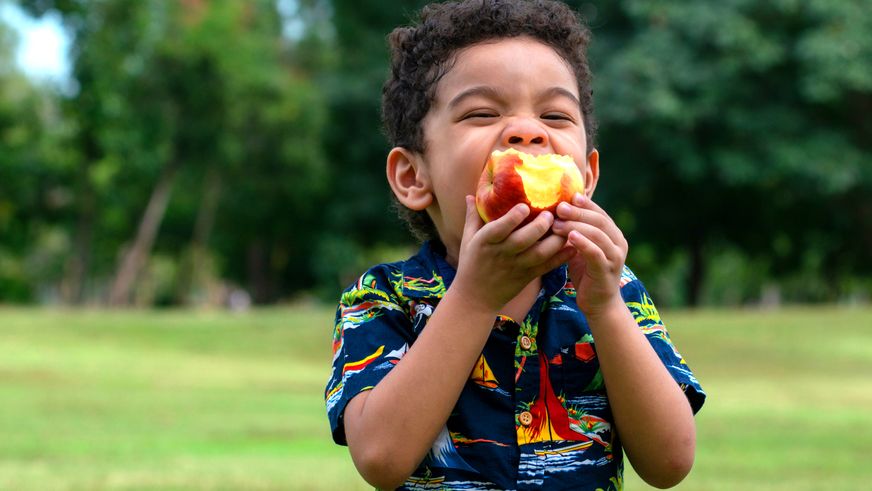
  • Since 2023,we have limited advertising aimed at children to private-label brands that meet WHO nutrient profile criteria.*
  • By 2026,all Lidl child-oriented food products will meet WHO nutrient criteria and additional internal standards.**

* The WHO criteria are based on the WHO Nutrient Profile Model, which defines threshold values for nutrient composition above which products should not be marketed to children. Assessment criteria include total fat, total sugar, saturated fats, added sugars and sweeteners, salt, and the energy density of a product.
** Lidl’s additional criteria include specifications regarding the use of additives, flavourings and colourings.

Questions? We’re happy to help!