Lorem Ipsum
  • INT
Lidl StoryPromoting health

How we make conscious nutrition easier

What ends up on our plates every day influences not only our wellbeing, but also the future of our planet. With our “Conscious Nutrition” strategy, we are shaping our assortment and our communication in a way that makes healthy and sustainable choices easier.

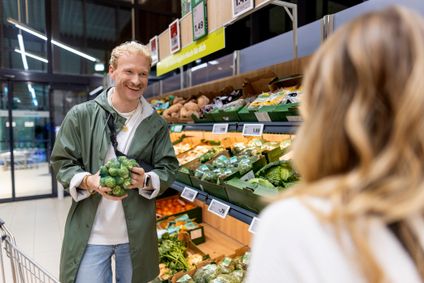
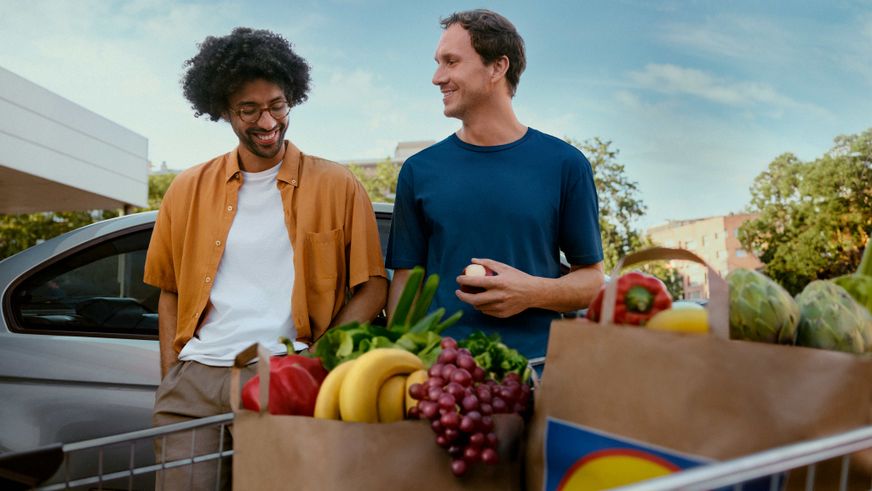
A colourful shopping basket. Filled with crisp apples, fresh tomatoes, wholegrain pasta, herbs, nuts and lentils. All products that not only taste good, but also show how simple healthy and sustainable shopping can be. Because the way we eat has an impact far beyond our plates. Around one third of global greenhouse gas emissions are generated by food production (Nature Food 2021), particularly through the production of animal-based products, which require significant resources. Water consumption, land use and biodiversity loss are also closely linked to our food system. Making more conscious choices can make a real difference.

Today, more than 770 million people worldwide are living with obesity, and diet-related diseases are among the leading causes of death. At the same time, we know that eating habits do not change overnight. Daily life is often busy, habits are deeply ingrained, and the amount of information can be overwhelming.

Lorem ipsum
Mindful nutrition starts with the youngest and lays the foundation for a healthy future.
Lorem Ipsum
With our strategy, we promote healthy habits and make sustainable choices easier in everyday life.

Lidl takes responsibility: our “Conscious Nutrition” strategy

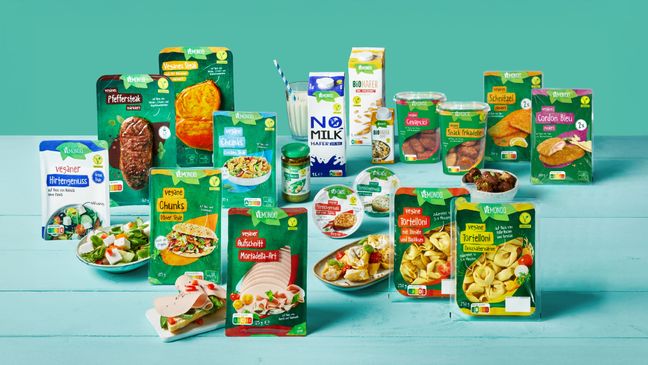
As one of the largest food retailers, we recognise our responsibility and aim to make access to healthy and balanced nutrition as simple as possible. Our “Conscious Nutrition” strategy promotes plant-based alternatives, raises awareness of healthy and sustainable diets, and makes it easier to make better choices in everyday life. At the same time, our customers always retain full freedom of choice. Our overarching goal is to make Lidl the first choice for conscious nutrition.

"For us, responsibility means making the choice for a conscious lifestyle as easy as possible. We are aligning our global assortment to ensure that healthy and sustainable shopping becomes a natural part of everyday life – without compromising on price or quality. This is how we make Lidl the first choice for a sustainable diet within planetary boundaries."

Stefan Haensel
Head of Quality and Sustainability in Purchasing at Lidl International

As the first food retailer, we are creating transparency across our assortment in all 31 Lidl countries with stores, in line with the Planetary Health Diet (PHD).* This scientifically based dietary model links health and environmental protection through a more plant-based diet.

To achieve this, we rely on strong partnerships such as our collaboration with WWF. Looking ahead to 2050, we are committed to continuously expanding our range of plant-based foods in line with the recommendations of the Planetary Health Diet, which advocates a predominantly plant-based diet in response to global population growth. The WWF methodology supports us in systematically analysing the ratio of plant-based to animal-based protein sources in our assortment and in developing it towards a target of 60% plant-based and 40% animal-based protein sources. This benefits not only the health of our customers, but also the health of our planet by helping to protect valuable ecosystems from deforestation.

* For PHD transparency, the procurement volumes of the products in our assortment are assigned to the respective PHD food categories. This shows the share of products falling into categories such as fruit and vegetables, wholegrains, plant-based protein sources such as legumes, nuts and seeds, and animal-based foods.
** Based on the 2023 baseline year; in line with the PHD: legumes, nuts, seeds, wholegrains, fruit and vegetables; excluding potatoes (starchy vegetables)
*** The WHO criteria are based on the WHO Nutrient Profile Model, which defines threshold values for nutrient composition above which products should not be marketed to children. Assessment criteria include total fat, total sugar, saturated fats, added sugars and sweeteners, salt, and the energy density of a product.
**** Lidl’s additional criteria include specifications regarding the use of additives, flavourings and colourings.

Questions? We’re happy to help!