The greatest levers for climate protection lie where our products are produced and transported – on farms, in factories and on the road. Together with our suppliers and logistics partners, we are working to systematically measure and reduce emissions across the value chain. Because real change on our path towards science-based climate targets can only be achieved together.
By far the largest share of Lidl’s emissions does not arise on the shelves in our stores, but at the many stages before that: on farms, in livestock operations, in production facilities and along transport routes. For us, this means that to make a meaningful impact on climate protection, we must act within our own supply chain – where so-called Scope 3 emissions occur. These account for more than 99% of our emissions. That is why we systematically support our suppliers in identifying, measuring and actively reducing their climate impact.
One of our key targets: by the end of the 2026 financial year, all suppliers responsible for 75% of product-related Scope 3 emissions are expected to have set their own climate targets in line with the Science Based Targets initiative (SBTi). The SBTi is a global standard that ensures corporate climate targets are aligned with the Paris Agreement. The Schwarz Group, of which Lidl is part, has also committed to these science-based standards. Together, SBTi-aligned climate targets have been defined, supported by concrete measures and validated. Our overarching goal is to reduce our greenhouse gas emissions to net zero as far as possible by mid-century. Learn more about the companies of Schwarz Group’s Net-Zero vision.
To support our suppliers, we have established a comprehensive enablement programme. At its core is a digital supplier platform providing climate-relevant business partners with training content on greenhouse gas accounting, as well as webinars and FAQs. At the same time, the platform tracks companies’ progress in implementing their climate targets on an annual basis.
In addition, Lidl offers biannual live webinars through the WWF Climate Business Network, providing practical insights into topics such as science-based target setting and greenhouse gas accounting. The Supplier LOCT (Leadership on Climate Transition) programme further supports selected national and international suppliers through a digital climate academy: in semi-annual courses, participants learn how to develop carbon footprints, set climate targets and derive effective measures. The programme has already been successfully implemented with more than 100 suppliers and expanded to 200 places in the financial year.
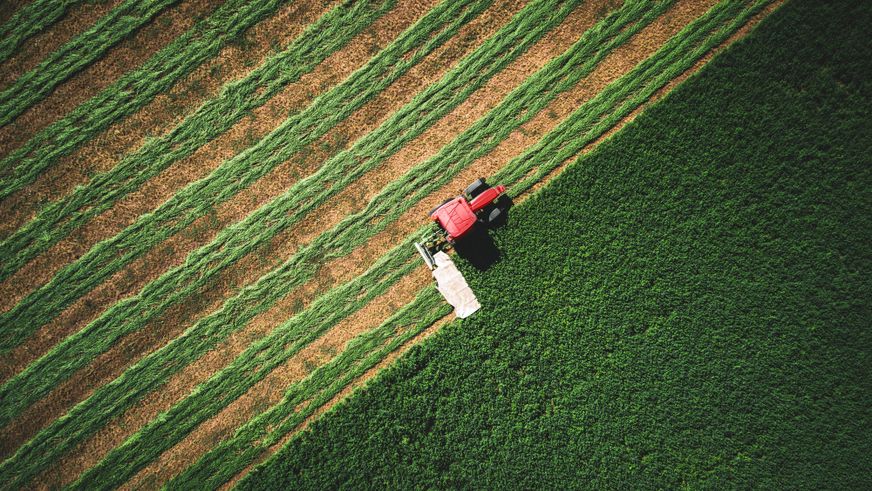
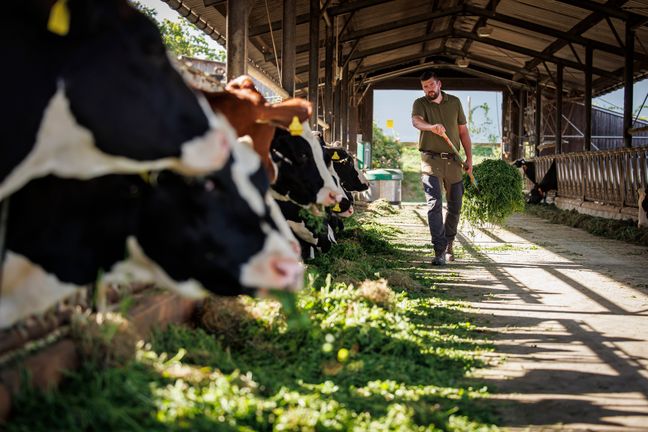
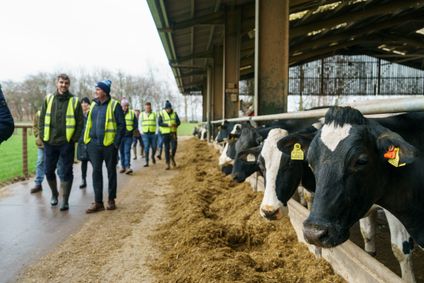
The impact of these measures can be seen in Germany: under the Lidl regional brand “Ein gutes Stück Bayern”, around 50 farmers are working to reduce emissions per kilogram of milk by at least 25% by 2026 compared to 2021. They are supported by an independent climate advisory board that provides recommendations for effective measures. Farmers receive a financial premium for their additional efforts, enabling, for example, increased use of locally sourced feed, methane-reducing feeding concepts or climate- and soil-friendly crop rotation systems.
"The majority of our emissions do not originate within our own operations, but in our supply chains. This is exactly where we focus our efforts. We empower our suppliers to take climate action. In doing so, we significantly reduce our Scope 3 emissions and stay on track towards our science-based net-zero targets (SBTi)."
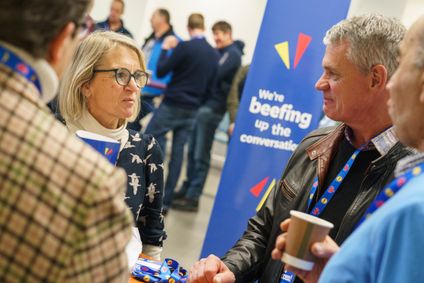
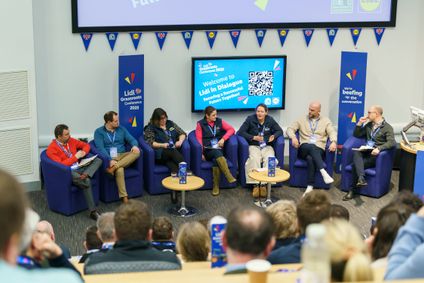
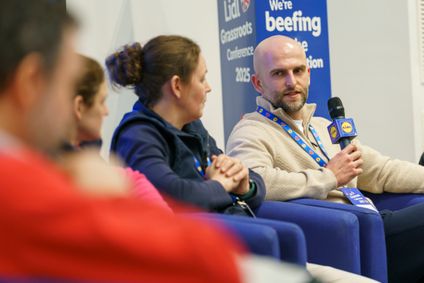
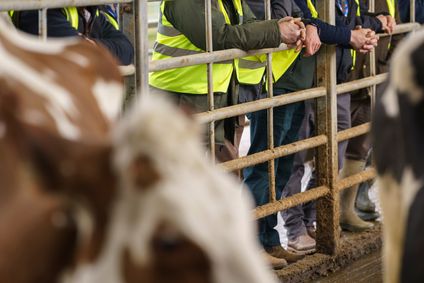
Lidl also contributes through international dialogue: at the first “Grassroots British Farming Conference” in the UK in early 2025, more than 130 farmers, food producers and leaders from the pig, beef and dairy sectors came together with Lidl representatives and scientific experts to discuss pathways towards more sustainable agriculture. The event served not only as a platform for innovation and exchange, but also as a clear commitment to the British agricultural sector.
In Belgium, Lidl is also driving progress through the “Carbon Farmers” project: in a five-year pilot programme, ten farmers receive information and practical support to actively store carbon in agricultural soils. The insights gained will enable them to transition their farms towards lower emissions in the future. Carbon and nitrous oxide accounting helps to identify the key levers for achieving this.
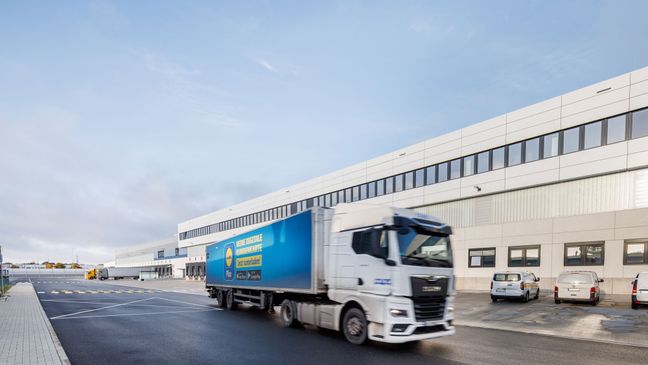
Scope 3 emissions are not only generated in agriculture – transport also plays a central role. That is why we are investing in future-ready logistics and alternative drive technologies for trucks. Our goal is that by the end of the 2034 financial year, at least one third of vehicles used for store deliveries will be electric. Today, electric truck fleets are already in operation in countries such as the Netherlands, Austria, Switzerland, Germany and Sweden. Lidl Netherlands aims to supply all stores with electric trucks by 2028.
And because road transport alone is not enough, we are working with partners in procurement logistics to shift transport from road to rail wherever possible. Combined with smart software solutions for more efficient route planning, this shows that climate action in Scope 3 is achievable – and delivers measurable impact.