lorem ipsum
  • INT
Lidl StoryProtecting climate

Many measures, big impact: how we reduce our operational emissions

From foundation to roof: At Lidl, we are implementing targeted measures across all countries to reduce CO₂ emissions in our buildings and processes. With energy-efficient new builds and modernization of existing properties, low-emission technology, and renewable energy, we are creating the infrastructure for a future-ready retail business. A little more every day.

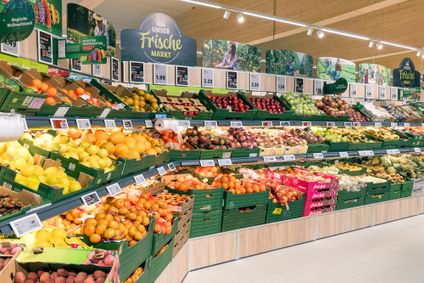
Anyone who visits a Lidl store today experiences more than just the sale of groceries. Many of these stores are already part of our climate strategy – with green electricity, heat pumps, natural refrigerants, and photovoltaic systems on the roof. Worldwide, we are working to make these standards the new normal and to gradually reduce our operational emissions step by step.

Our goal: 70 percent fewer operational emissions by 2034

As part of the companies of Schwarz Group, we are committed to the net-zero target by 2050 in Scope 1 and 2. This means that by mid-century, we will reduce our greenhouse gas emissions to net zero as far as possible. One key lever: our direct operational emissions (Scope 1) as well as emissions from purchased energy (Scope 2). By 2034, we aim to reduce these by 70 percent compared to 2019. To achieve this, we rely on clear standards in the construction and operation of our buildings and on strong collaboration across all Lidl countries.

We bundle our targets and the necessary measures in our climate strategy, which we continuously develop further and adapt to new insights. At the same time, we are part of the joint climate strategy of the companies of Schwarz Group. The foundation of our climate management is a comprehensive carbon footprint. It helps us systematically record emissions, identify reduction potential, assess the impact of our measures, and transparently track our progress toward our climate targets.

Lorem Ipsum
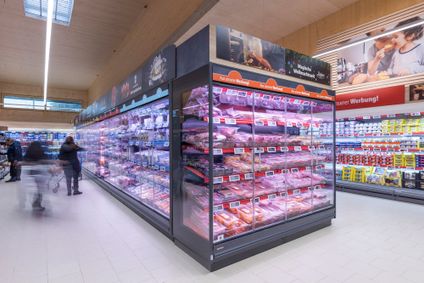
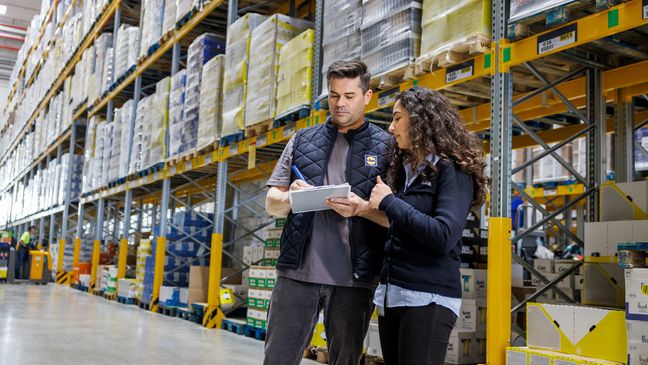
Through mindful construction and modern technology, we are setting new standards for climate protection in our stores.
lorem ipsum
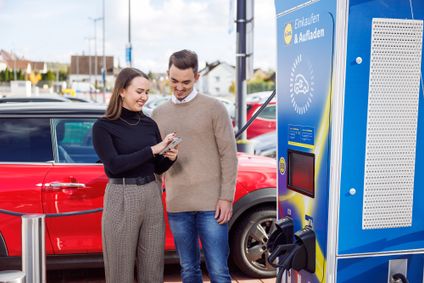
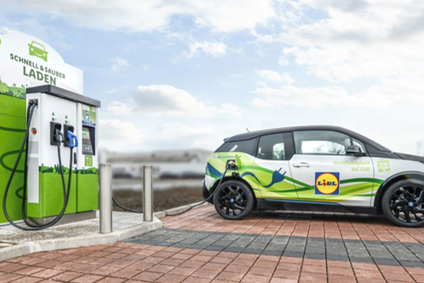
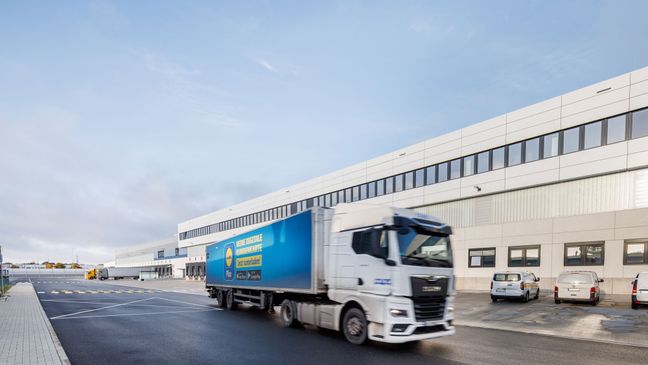
By expanding the charging infrastructure, we are actively promoting the mobility transition and reducing operational emissions.

Building with impact: sustainability from the start

A central element is our real estate. For new builds, we focus on energy efficiency and climate protection from the foundation to the technology. In more and more stores and logistics centers, circular materials such as wood or insulation, modern heat pumps, and LED lighting are already in use. We are also systematically upgrading existing buildings. More than 4,600 of our properties already have a recognized sustainability certification according to EDGE or DGNB.

"Every store and logistics property can now be part of the solution, because this is where our operational emissions arise. That is why we consider climate protection and resource conservation from the foundation to the roof and focus above all on energy efficiency and renewable energy."

Jens Peter Rohmann
Head of Construction at Lidl Stiftung & Co. KG

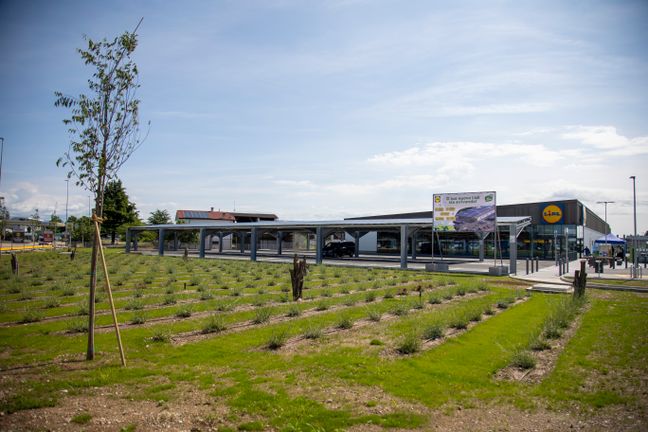
What sustainable construction looks like in practice is demonstrated by an example from Italy: South of Lake Garda, in Villafranca di Verona, a lighthouse project for future-ready construction opened in 2024. The store is energy self-sufficient on a net basis thanks to a large photovoltaic system on the roof and additional PV modules on the carports. It uses rainwater for irrigation, reducing water consumption. And it relies on natural materials. The use of PEFC-certified wood alone saved around 1,600 tonnes of concrete and reduced CO₂ emissions. These pilot projects help us further develop standards and establish them across countries.

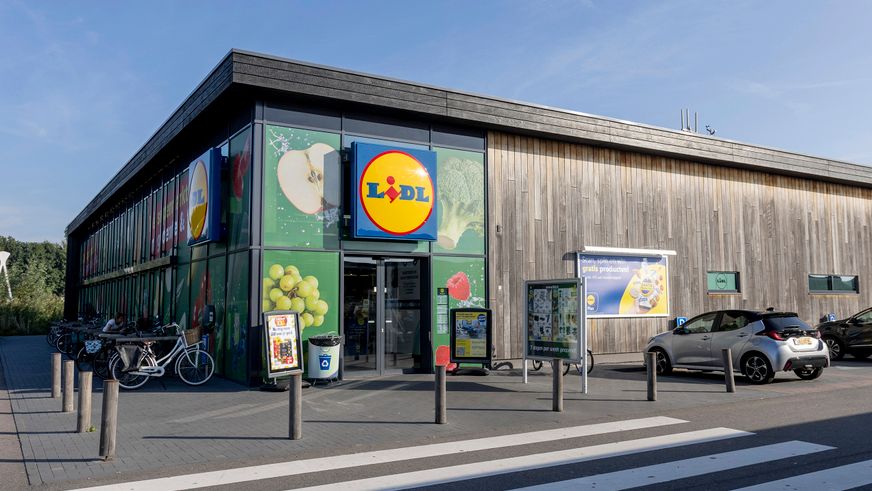
Another example is the store opened in 2021 in Almere Oosterwold in the Netherlands. The building was designed as a circular structure and consists of a fully demountable timber construction as well as recycled materials. Through the combination of 1,566 solar panels and an innovative energy storage system, the site generates more energy on a net basis than it consumes for daily operations.
Top priority: energy efficiency

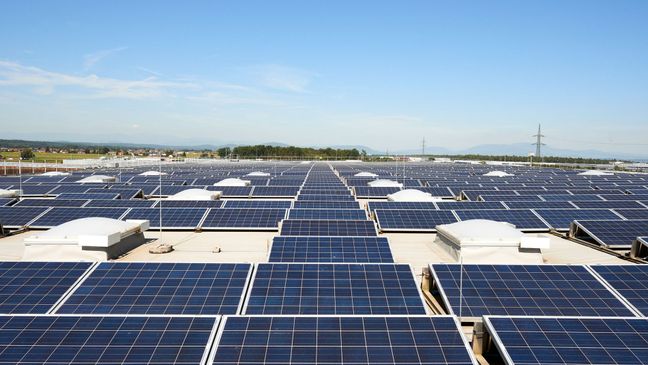
When it comes to energy consumption in particular, we achieve significant impact through many small measures: heat recovery systems, time-controlled and daylight-dependent lighting, intelligent building control, and optimized cooling technology ensure that energy consumption continuously decreases. Where inefficient legacy systems are still in use today, they are being replaced with modern technologies. At the same time, we are massively expanding the use of heat pumps: currently, more than 7,100 stores and almost 80 logistics centers use this system. Since 2022, we have also sourced only green electricity* at all locations. In addition, we generate electricity ourselves through photovoltaics – now in more than 3,700 properties.

* Excluding supply contracts that Lidl cannot influence, such as in individual rental properties with tied electricity supply agreements. Further information at www.gruenstrom.schwarz
 
  • 70%reduction in our operational emissions (Scope 1 and 2) by the end of the 2034 financial year compared to the base year 2019.
  • More than 69%of all refrigerants we use today are already of natural origin.
  • 90%of Lidl stores equipped with our own operated charging points for electric vehicles by the end of the 2030 financial year.

A factor that has often been underestimated until now: the choice of refrigerant. We consistently rely on natural alternatives such as CO₂, propane, and ammonia. This allows us to reduce potentially harmful leakage emissions to a minimum. More than 69 percent of all refrigerants we use today are already of natural origin. Our goal is to further increase this share through upgrades to existing systems and clear specifications for new builds.

Our stores not only contribute as buildings, but also as locations for lower-emission electromobility. Currently, more than 14,000 charging points are in operation, and by the end of the 2030 financial year, this number is set to reach 20,000 – equivalent to 90% of Lidl stores. We are also driving electrification at our logistics centers: currently, 90 charging points for electric trucks are available there.

Climate protection needs a system: ISO 50001 for all European locations

Climate protection also requires a system: this is provided by our energy management system according to ISO 50001. It helps identify inefficiencies and optimization potential at an early stage – allowing us to continuously improve. All operational locations in Europe are certified accordingly, and local energy teams identify savings potential, record consumption data, and continuously drive measures forward.

Because one thing is clear: every energy-efficient building, every heat pump, every photovoltaic system brings us closer to our goal of net-zero emissions by 2050.

Questions? We’re happy to help!