Sustainable shopping begins long before the walk into the store – specifically where goods are transported, cooled, and distributed. This is exactly where Lidl comes in: across Europe, we are working to make our logistics lower in emissions by switching to electric drives, which we power using energy from our own photovoltaic systems, among other sources.
Vienna, early morning. It is still quiet on the streets – and remains so as the fully electric 40-tonner leaves the Lidl warehouse. Instead of a diesel hum, there is only a soft whirring. What begins like an ordinary delivery day marks the start of a new chapter in emission-reduced logistics at Lidl. The company is switching to climate-conscious transport solutions throughout Europe.
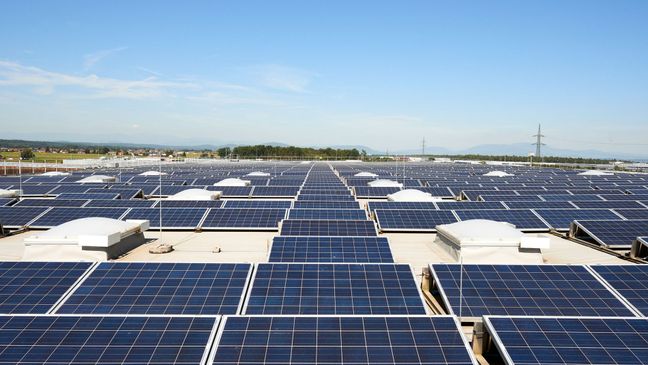
The first fully electric trucks have been rolling on Austria's roads since 2024. In the meantime, 20 vehicles are already in daily operation and supply Lidl stores throughout the country. The vehicles have a range of around 500 km and are charged with almost 100 percent green electricity* or directly from the photovoltaic systems at the Lidl warehouse locations. The goal is clear: by 2030, Lidl Austria aims to completely phase out diesel-powered vehicles. The fleet conversion not only saves CO₂ but also ensures significantly lower noise pollution thanks to the quiet operation of the e-trucks – for both drivers and residents.
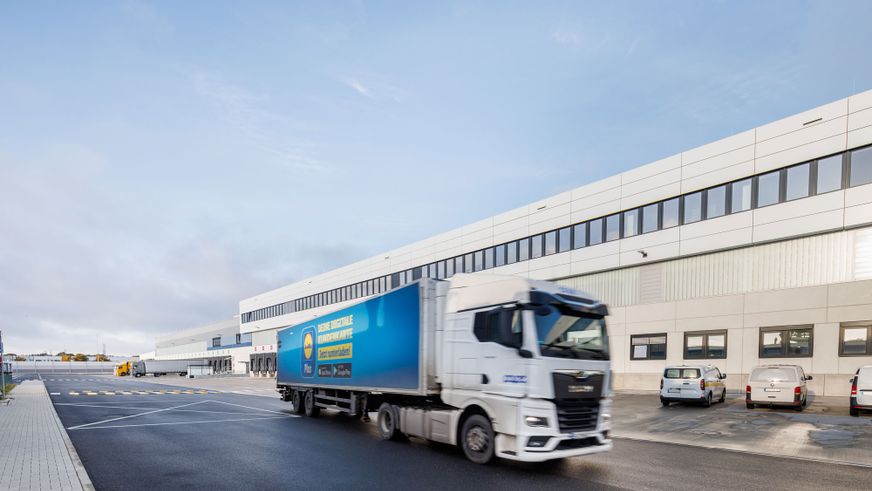
Lidl is also breaking new ground in Poland: as the country’s first retailer, since 2023 Lidl is using a fully electric 40-ton truck including an electric trailer as well as an electric solo truck for freight transport – a technical breakthrough in the heavy-duty sector. But this is only one part of the comprehensive climate strategy. Shortened delivery routes, more alternative drives, and the procurement of certified green electricity in the logistics centers have led to Lidl Poland already reducing its logistics-related CO₂ emissions by 55 percent. For this, it was awarded four stars in the Europe-wide “Lean & Green” program.
Lidl Netherlands is also among the pioneers in electric drives. Before 2030, all Lidl stores there are to be supplied by e-trucks – a commitment the company has made. To achieve this, e-trucks are gradually being introduced, and the logistics centers have already received the corresponding charging infrastructure. Furthermore, the trailers of the trucks are battery-powered, which further reduces emissions during operation.
"Our goal is to make the freight transport of tomorrow lower in emissions today. That is why we are investing specifically in alternative transport solutions – for fewer emissions and more responsibility along the entire supply chain."
By focusing on electric drives, Lidl proves that logistics with alternative drives is not a promise for the future, but a reality today through intelligent route planning and the promotion of alternative drive types.