Whether it’s an Alpine meadow or a rainforest: in nature, every intact area counts. Lidl is therefore involved in selected projects that contribute to the protection of biodiversity. Together with partners like WWF, we protect and revitalize natural areas—even beyond our own supply chains. For the protection of local ecosystems worldwide, which benefits us all.
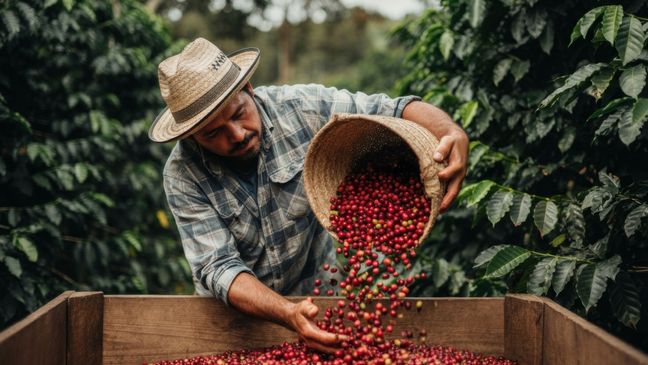
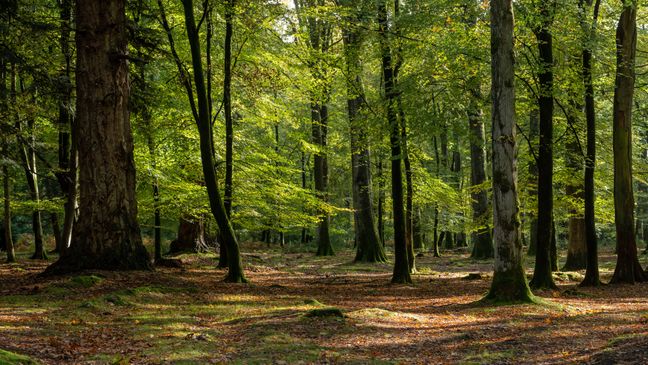
Moors that store water. Meadows where wild bees hum. Forests that breathe. Nature is a carbon sink, a water source, a food base, and a climate regulator. If it is destroyed, our social and economic systems also lose their balance. That is why we advocate for more sustainable business practices within our supply chains by promoting and requiring recognized certifications and standards - such as EU Organic, Rainforest Alliance, or Fairtrade - which support environmentally and socially responsible practices on the agricultural land relevant to us. Furthermore, we are committed to the preservation and restoration of valuable habitats through targeted projects.
In selected nature conservation projects we bundle these measures at an international level, ranging from coastal protection in Poland to the re-wetting of moors in Switzerland. In doing so, we not only strengthen biological diversity but also contribute to the protection of the climate and human rights.
What makes this special: many projects operate beyond the direct value chain. They are part of our corporate responsibility. Sustainability must not end where corporate influence formally stops. This is why we specifically protect areas outside our supply chains together with strong partners like WWF. Our Lidl Habitat projects tackle global challenges and work on concrete solutions. These include reforestation, renaturation, the protection of endangered species, and knowledge transfer within local communities.
"A healthy environment is the foundation for our food production and our livelihoods. Through selected nature conservation projects, we take active responsibility to protect and restore valuable natural areas worldwide. Together with expert partners, we are making a real difference: for wildlife, our climate, and local communities, far beyond our own products."
Lidl International is currently supporting three major WWF conservation projects to preserve and restore ecosystems in the regions where Lidl-relevant products like fruit, cocoa, or fish originate.
Lidl national companies have also been committed to local nature conservation for years. Their projects are diverse and demonstrate how significant small measures can be in total:
Lidl Switzerland has been working with WWF Switzerland from 2017 until 2025. Employees had the chance to participate in nature assignments during working hours—such as creating habitats for small mammals, clearing scrub from moors, or maintaining Alpine pastures. This strengthened team spirit and environmental awareness. Additionally, Lidl Switzerland supported a WWF moor protection project with CHF 50,000 annually for the re-wetting and preservation of these valuable CO₂ sinks.
Lidl Finland supported the maintenance of rare, species-rich "heritage meadows"—a vital habitat for endangered pollinators—from 2022 to 2024. Since 2025, the company has also started to work together with WWF Finland to construct wetlands, which play a key role in biodiversity, water regulation, and climate mitigation.
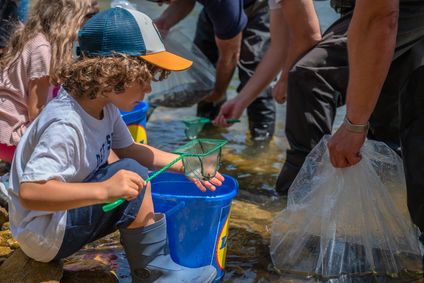
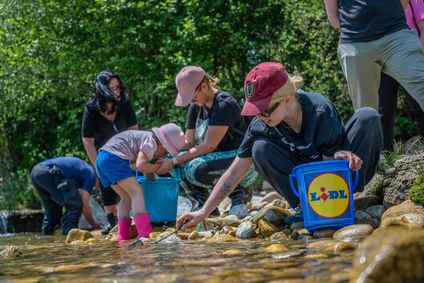
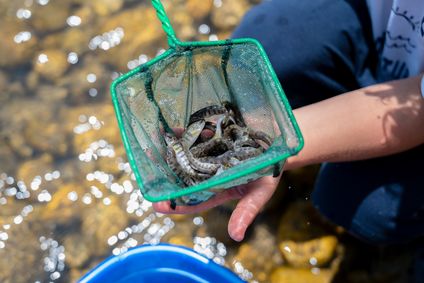
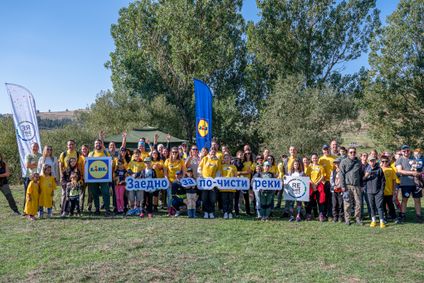
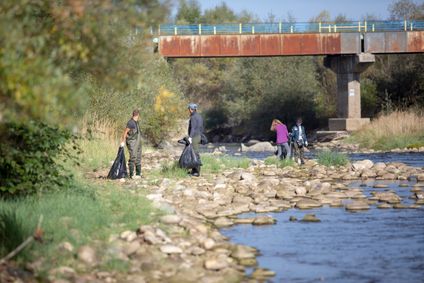
Lidl Bulgaria has been committed to preserving the Balkan trout, one of Europe's most endangered fish species, since 2013 through the project "Give Balkan Trout a Chance." Over 400,000 young fish were released into selected river sections over a period of ten years. The project is supplemented by riverbank clean-ups and educational measures to protect local biodiversity.
In 2025, Lidl Poland and WWF Poland signed a three‑year agreement to support environmental projects. During the first year of the partnership, Lidl Poland supported a marine biodiversity conservation initiative in the Baltic Sea, including the protection of seals and coastal bird species. The work is carried out by around 200 WWF Blue Patrol' volunteers. Along the entire Polish coastline (approx. 500 km), volunteers patrol the beaches, rescue injured or stranded seals, and protect bird nesting sites. Volunteers also actively raise awareness within local communities and tourists.
Whether it’s the Alps or the Amazon, meadows or water: nature knows no borders, and saving it requires many shoulders to lean on. Through our commitment to nature conservation, we are creating a unifying framework for worldwide projects that protect biodiversity and create future perspectives. For both people and nature.