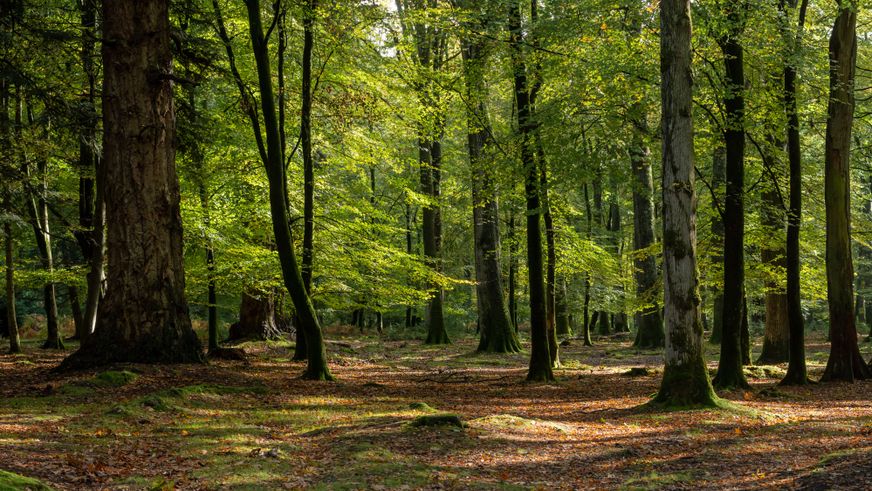
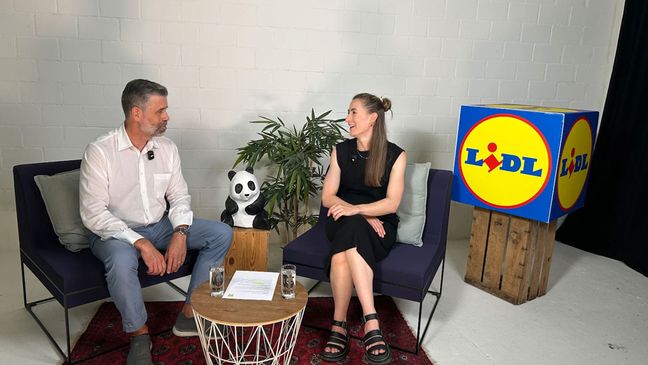
They provide shade, store water and offer a habitat for countless animal and plant species: our forests, the green lungs of our planet. Yet in many regions, they – along with other natural ecosystems such as savannahs and wetlands – are under threat, particularly from agriculture. That is why at Lidl, we are actively committed to protecting these areas through more sustainable sourcing of raw materials. In this interview, Hannah Mittner from Ecology at Lidl International explains how.
Forests safeguard the foundations of our business. They stabilise the climate, protect soils and store water – all of which are essential for agriculture, on which we as a food retailer depend. Their loss threatens these ecosystem services and, in turn, our supply chains. As a retailer, we have a responsibility, as deforestation and land conversion are largely driven by agricultural use. That is why we are committed to deforestation- and conversion-free supply chains.
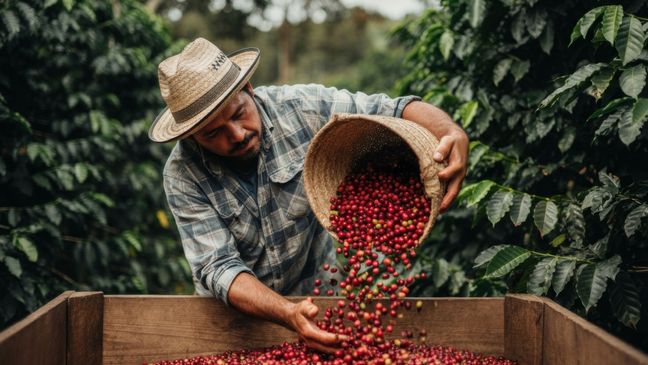
By taking a closer look at where our raw materials come from – and by influencing how they are produced. Agriculture is the main global driver of deforestation, for example through the cultivation of palm oil, soy and cocoa. That is why we aim to ensure that the raw material supply chains for Lidl products are socially and environmentally responsible. In doing so, we follow the guidelines of the internationally recognised Accountability Framework Initiative (AFi).
"We have a clear strategy for deforestation- and conversion-free supply chains – and we go beyond legal requirements."
We are committed to protecting nature beyond legal requirements. A key lever is compliance with cut-off dates in line with AFi guidelines: we do not accept raw materials sourced from areas that have been deforested or converted after a defined cut-off date. In addition, high-risk raw materials must come from certified production. To achieve this, we work with strong partners such as Rainforest Alliance and Fairtrade.
Yes – for example in our Fairtrade-certified chocolate bars. These products use certified cocoa from sustainable cultivation, meeting strict criteria for the protection of human rights and the environment. In doing so, we help protect tropical forests, as deforestation and ecosystem conversion are strictly prohibited.
Because there is no Planet B. Protecting forests also means protecting the climate. Our comprehensive CSR requirements enable us not only to comply with regulations aimed at preventing deforestation, but to stay ahead of them. For example, we apply broader standards for cocoa and palm (kernel) oil than those required by law, thereby creating the foundation for more sustainable supply chains that go beyond individual raw materials. In the soy sector, we are also working to strengthen robust sustainability certification that not only prevents deforestation and land conversion, but also reduces pesticide use. To this end, we support initiatives such as Donau Soja and certifications such as RTRS, ProTerra and ISCC+. In the cocoa sector, we rely on sustainability certifications such as Fairtrade, Rainforest Alliance and organic standards. As a member of the German Initiative on Sustainable Cocoa (GISCO), we are also committed to improving the living conditions of cocoa farmers and ending deforestation linked to cocoa production.
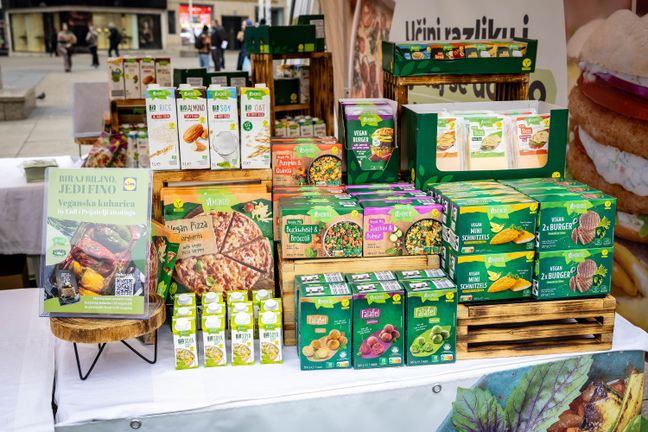
We take responsibility from production to shelf. Customers should be able to easily understand how products are made when they shop with us. Clear labelling, transparent information and private labels such as Vemondo, which focus on plant-based alternatives, help make this possible. In this way, every purchase becomes a decision in favour of protecting forests and their ecosystems.
What motivates me is that, as a company, we can demonstrate that sustainability and economic success are not mutually exclusive – quite the opposite. By protecting forests, we are also protecting the future of generations to come. And that is what we stand for at Lidl.