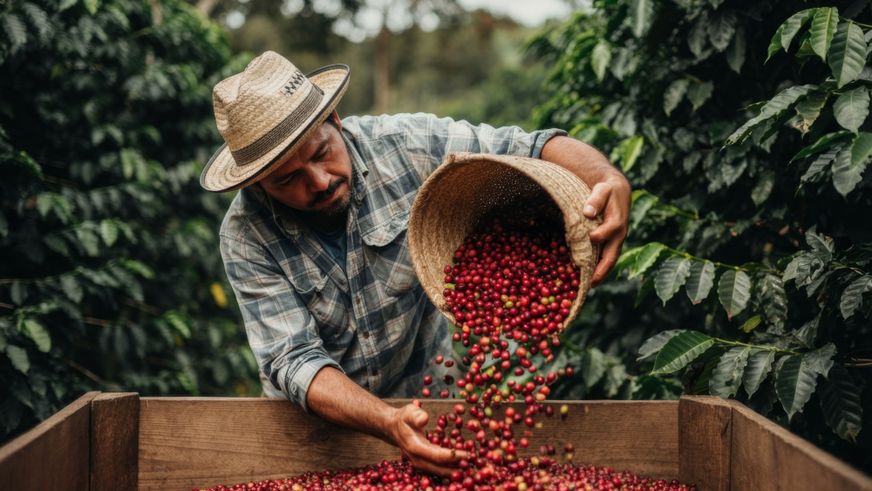
That first sip of coffee in the morning – for many, it’s a familiar ritual. But what we rarely see: behind every cup are people, soils, climate conditions and global supply chains working together to make it possible. With Lidl’s raw material strategy, we are committed to protecting nature while ensuring that smallholder farmers can earn a living from their work.
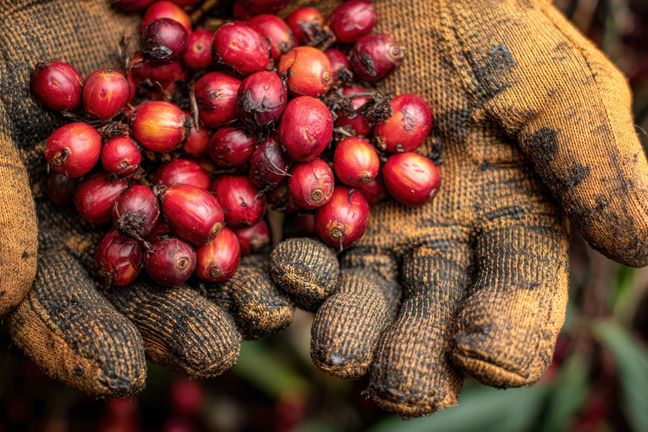
Whether in Guatemala or Peru, Kenya or Indonesia: around 25 million farming households in more than 50 countries along the equator depend on what many of us take for granted every day – coffee. Yet their livelihoods are increasingly under threat. Climate change is already having a tangible impact on growing conditions: extreme rainfall, droughts and rising temperatures are making cultivation more difficult, with serious consequences, particularly for smallholder farmers. Many lack financial reserves, meaning even minor crop losses can lead to economic hardship. The reality is that a large proportion of coffee farmers live below the poverty line.
Coffee production clearly illustrates how closely climate, natural resources and human livelihoods are interconnected – and why it is all the more important to operate more sustainably.
"Coffee stands for enjoyment, but also for responsibility. With our raw material strategy, we are committed to improving working conditions, creating fairer incomes for smallholder farmers and promoting more sustainable cultivation."
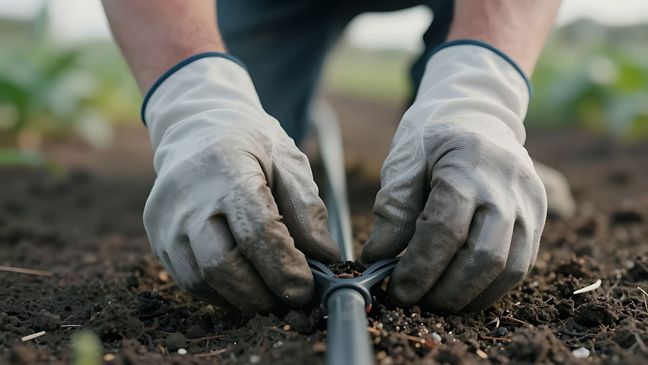
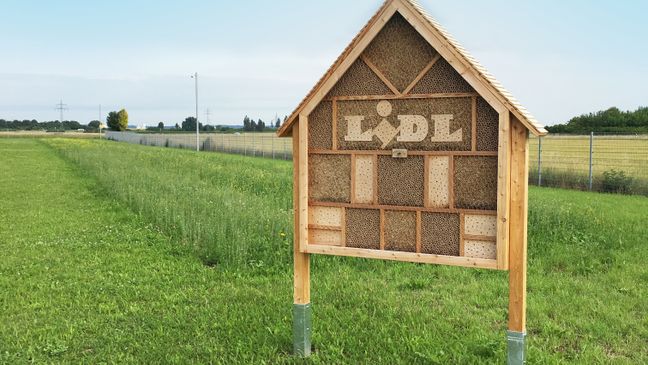
At Lidl, we want to ensure that enjoyment does not come at the expense of others. That is why we are working across the entire value chain to source critical raw materials more responsibly and reduce negative impacts – from cultivation and harvesting through to transport. We promote environmentally friendly farming methods and advocate for higher standards, including our industry-wide biodiversity standard, the GLOBALG.A.P BioDiversity Add-on. We also engage in long-term partnerships with standard-setting organisations such as Rainforest Alliance.
Together with specialised suppliers, we are working to make smallholder-driven supply chains more environmentally sustainable. Because sustainable farming not only protects soils and biodiversity, but also provides producers with a long-term perspective.
Our commitment does not end in the field – it is also reflected on our shelves. Since the end of the 2023 financial year, all coffee capsules and instant coffee products in selected countries such as Austria, Germany, Belgium and Luxembourg have been Fairtrade-, Rainforest Alliance- or organic-certified; since the end of 2024, this also applies to our coffee pads and ready-to-drink coffee beverages. In selected Lidl countries, roasted coffee has already been 100% certified since 2022. With our private label “Fairglobe”, we specifically offer coffee products that promote better working conditions and fairer incomes for smallholder farmers – a contribution that makes a difference for both producers and our customers.
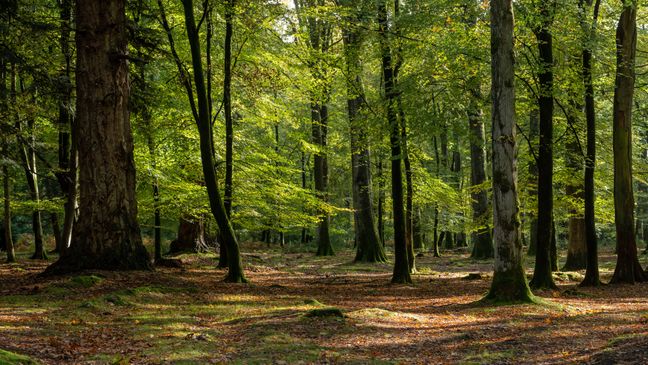
This commitment extends beyond coffee. Lidl’s raw material strategy also covers other critical raw materials such as cocoa, palm (kernel) oil, wood/cellulose, natural rubber and beef. In particular, the protection of forests and their ecosystems plays a key role – see also “Deforestation-Free Supply Chains”. At the same time, our strategy goes further by addressing issues such as biodiversity, resource conservation and fair living conditions in supply chains. Because we believe that great taste starts with responsibility.