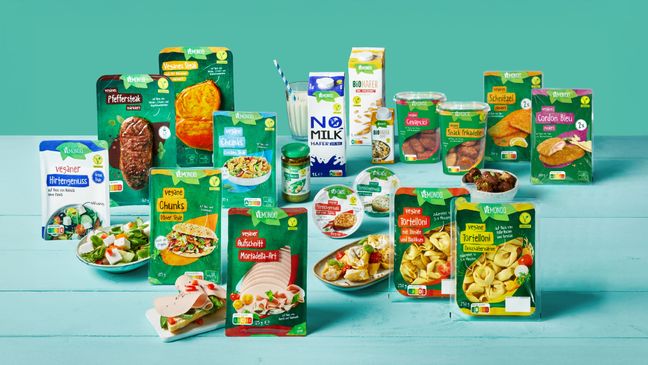
Conscious nutrition starts with seeing the bigger picture. Together with WWF, Lidl analyzes the ratio of plant-based to animal-based protein sources in its product range. This helps make trends visible and allows us to systematically expand our offering of plant-based foods.
At the supermarket shelf, the choice is ours: oat drink or cow’s milk, nuts or sausage, lentils or minced meat. One thing is clear: plant-based alternatives help us eat more consciously - while simultaneously contributing to the protection of nature and the environment. This aligns perfectly with our "Conscious Nutrition" strategy and the recommendations of the Planetary Health Diet, which advocates for more plant-based foods and a moderate consumption of animal products.
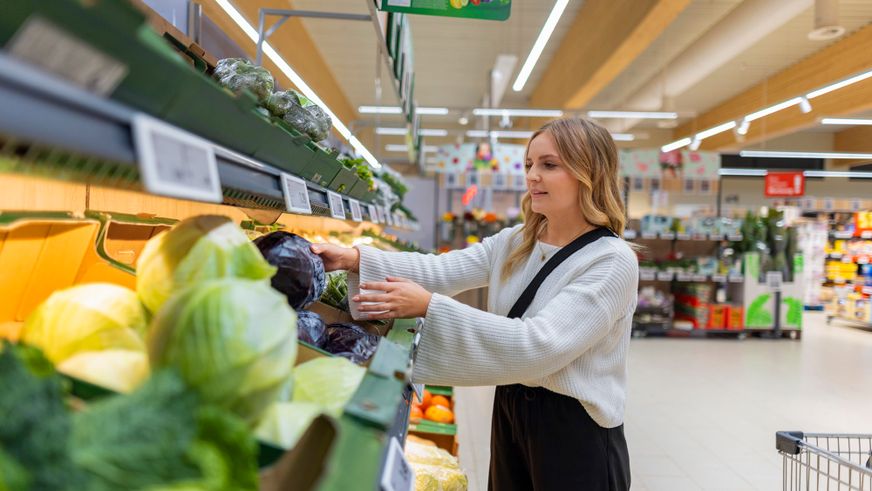
Daily purchasing decisions play a role in shaping how product ranges evolve. To make it easier for our customers to choose plant-based alternatives, we are working to increase the proportion of plant-based protein sources in our assortment - spanning standard and promotional items, as well as own-brand and branded products, across more than 30 Lidl countries.
To achieve this goal, we regularly analyze the composition and sales shares of our product range, specifically focusing on the "protein split" - the distribution of plant-based versus animal-based protein sources. We measure and evaluate this ratio internationally and across all food categories using the recognized methodology of our partner, WWF.
"Conscious nutrition begins with transparency. The protein split allows us to take a holistic view of our product range and evolve it responsibly."
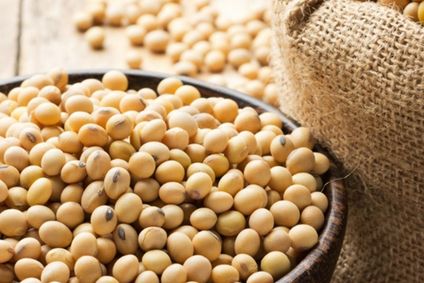
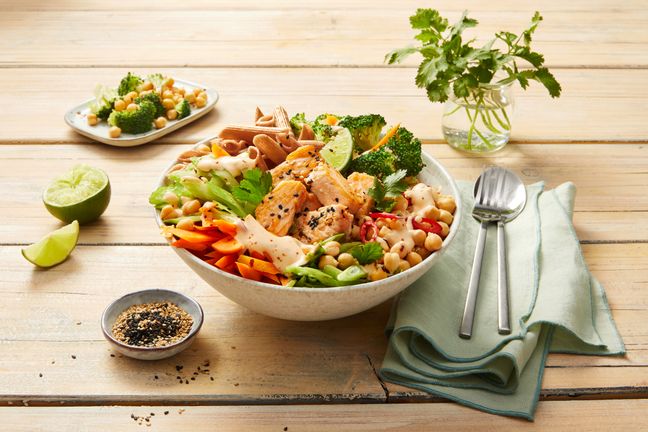
These insights flow directly into the further development of our assortment, allowing us to expand plant-based options, increase whole-grain content, and facilitate access to healthier, more sustainable foods. After all, plant-based protein sources such as pulses, nuts and seeds are nutritionally valuable. They provide high-quality plant protein, fiber, and essential vitamins and minerals—usually with a lower environmental impact than animal products.