
Lorem Ipsum
  • INT
Lidl StoryCorporate Governance

WWF Partnership: Teaming up for more sustainable choices

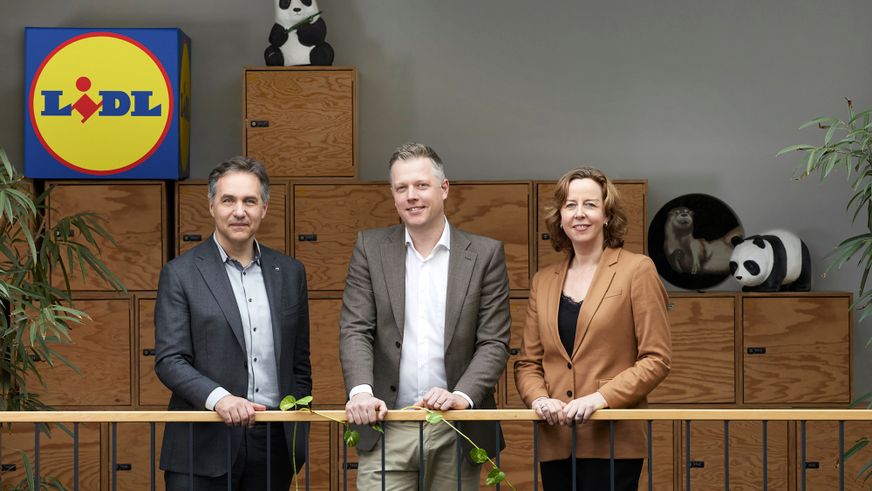
Why would a retailer and an environmental organization join forces? The answer is simple: we are stronger together when it comes to protecting our natural resources. For Lidl, sustainability is not an add-on, but a prerequisite for long-term business success. Stefan Haensel, Head of Quality and Sustainability at Lidl International, outlines our joint mission: protecting climate and biodiversity while advancing a more sustainable food system.

Why did Lidl partner with WWF?

"At Lidl, we take a holistic approach to sustainability, spanning everything from climate protection and biodiversity to conscious nutrition. To achieve measurable progress, we need partners who offer not just expertise, but the courage to ask the tough questions. WWF is exactly that partner. Together, we are transforming Lidl’s operations and supply chains to protect nature and operate within our planetary boundaries. With over 12,600 stores worldwide, Lidl has the scale and influence to actively drive progress across the food industry."

What does the partnership actually entail?

"Our commitment to sustainability knows no borders. By partnering with WWF across more than 30 countries, we are taking our collaboration to an unprecedented international scale. Together, we are developing joint strategies and solutions – such as our biodiversity strategy – to ensure that business and nature coexist in harmony, respecting our planetary boundaries. At the core of this journey is our desire to enable customers to make more sustainable and healthier purchasing decisions. Only by working hand-in-hand can we drive the systemic change our world needs.

"Sustainability, as an integral part of our commitment to quality, is the foundation of our future viability. Together with the WWF, we are leveraging our impact across more than 30 countries to secure ecologically resilient supply chains and operate within planetary boundaries. In doing so, we are making responsible choices the attractive standard for our customers and actively driving positive change."

Stefan Haensel
Stefan Haensel, Head of Quality and Sustainability at Lidl International

Together with WWF, we are combining our expertise to tackle key ecological challenges, by focusing on:

Lorem Ipsum

Climate

Climate change is a global challenge and we are aware of our responsibility. That is why we are making climate protection a priority in our partnership with WWF. We are committed to reducing our emissions in line with the targets of the Science Based Targets initiative (SBTi). In addition, we are jointly developing and piloting a concept for climate and nature-based financing based on our remaining emissions. The financing approach aims to maximize co-benefits such as biodiversity and water while respecting social protection measures. The financing plan will be linked to corresponding nature conservation projects.

Lorem Ipsum

Biodiversity

Together with WWF, we are reviewing our existing analyses and targets related to nature-related risks. We aim to develop and promote a more comprehensive biodiversity strategy. This will enable us to identify and address biodiversity risks, such as deforestation and species extinction, within our value chain. We will focus on pinpointing particularly high-risk value chains and regions, as well as finding ways to increase their resilience using the WWF Biodiversity Risk Filter. For these areas, we will develop specific implementation plans.

Lorem Ipsum

Water

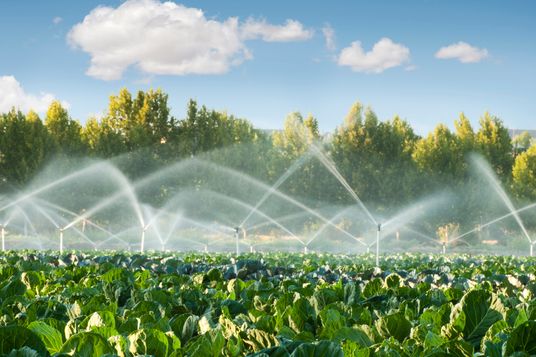
Using the WWF Water Risk Filter, we are revising our analyses and targets related to freshwater risks to create a more comprehensive strategy for responsible water use. In collaboration with WWF, we identify and address water risks throughout our value chain. This is especially crucial for high-risk products like coffee, fruit, and vegetables, where we aim to prevent issues such as water contamination or scarcity. As part of our partnership, we will disclose the risks identified in our value chain and the measures we are taking to reduce environmental impacts.

Lorem Ipsum

Raw materials

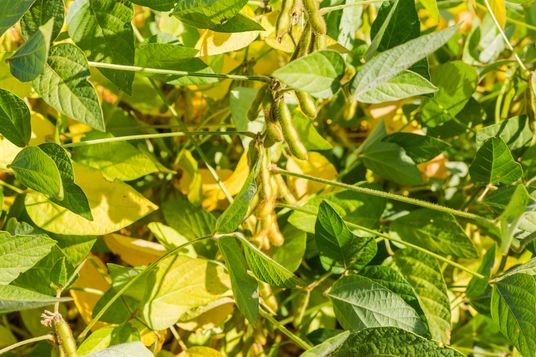
Our products depend on raw materials from around the world. Therefore, we see it as our responsibility to purchase raw materials in a socially and environmentally responsible manner. Our Lidl CSR strategy drives our engagement with raw materials and highlights our long-standing commitment to sourcing deforestation-free products. We take responsibility and place sustainability at the centre of our actions. We support and endorse the goals of the EU regulation for deforestation-free supply chains. Together with WWF, we work on building traceable, deforestation-free supply chains for critical raw materials such as soy, palm oil, cocoa, coffee, beef, wood, cellulose and paper, aligned with AFI guidelines and in accordance with upcoming EUDR regulations. The requirements apply to own-brand products in all Lidl countries. All existing and new suppliers must implement this procurement policy by the end of the 2026 financial year.

Lorem Ipsum

Conscious nutrition

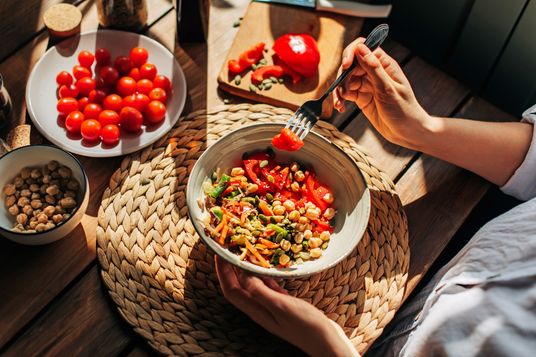
As part of our partnership with WWF, we are strengthening our commitment to a plant-based diet, as recommended by the Planetary Health Diet. Our goal is to increase the proportion of plant-based products by 20 percent in our range by 2030 and reduce the consumption of animal products. We regularly record the ratio of plant to animal protein sources according to the recognized WWF methodology. This applies to our own and third-party brands, in the standard and promotional ranges and in all Lidl countries. 

Lorem Ipsum

Fish and seafood

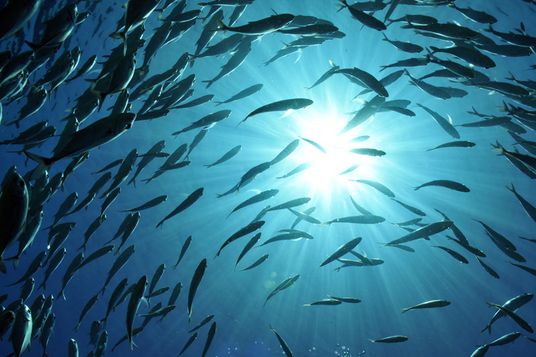
For responsible fish and seafood, we pursue greater sustainability by focusing on transparency, traceability and the use of recognised labels such as MSC, ASC, Bio, BAP4 Star and GLOBALG.A.P. Our targets apply to the full fish and seafood range across all Lidl countries, including own-brand and third-party products. We aim to ensure that by February 2028 100 percent of our fish and seafood range comes from sources that WWF classifies as recommended or acceptable. To support this, products should provide information on the country of production, species and fishing or rearing method, and be supported by fully traceable supply chains.

Lorem Ipsum

Reduction of food waste and loss

We want to further reduce food waste in our stores and distribution centers. That is why we are developing a reduction strategy with clear targets. We focus on avoiding waste and ensuring the best possible use of unsold food, for example through donations. By-products that lead to food waste are also frequently generated during production. We therefore aim to specifically analyze production processes - especially for our own brands - and develop measures to reduce avoidable losses.

Lorem Ipsum

Policy and Advocacy

Through targeted public relations, communication, and educational programs, the Lidl Stiftung and WWF aim to raise awareness that sustainable business practices are essential for our collective future. Together, we advocate for more sustainable sourcing practices within our industry and society at large. As part of these efforts, we are developing initiatives to foster constructive dialogue with key stakeholders. Our actions specifically target the protection of climate, water, and biodiversity. To achieve these goals, it is crucial that we leverage our shared expertise and experience to drive meaningful progress toward sustainability.

Learn more about the international partnership between Lidl and WWF here!

Questions? We’re happy to help!